|
Welcome to the AIr Pollution issue of the July Safety Suzy newsletter.
|
|
|
|
|
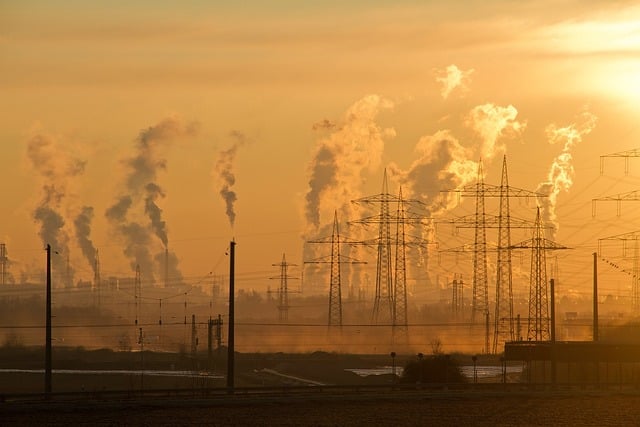
This month’s newsletter explores the growing focus on indoor air quality and the hidden health risks associated with airborne pollutants in workplaces and buildings. From emerging technologies that could help buildings detect harmful contaminants automatically to new research linking air pollution with brain health, wildfire recovery and long-term respiratory risks, clean air is becoming an increasingly important part of occupational health and safety.
We also cover proposed regulatory changes from OSHA and New York City, practical strategies for improving indoor air quality through cleaning and ventilation, and upcoming asbestos training opportunities to help workers stay safe, compliant and prepared.
|
|
|
|
| Could Buildings Soon Detect Airborne Hazards on Their Own? |
|
|
|
|
Imagine a building that can detect viruses, allergens or harmful particles in the air and automatically respond before people get sick.
That’s the goal of a new $150 million U.S. research program developing “immune systems” for buildings. Using advanced sensors, AI and smart ventilation, these systems could identify airborne hazards in real time and activate air filtration or UV disinfection when needed.
While the technology is still being tested, it signals a major shift toward healthier indoor environments. For construction professionals, it’s another reminder that indoor air quality is becoming a core part of building design and occupant safety.
|
|
|
|
|
|
| NYC Proposes Stricter Lead Dust Standards |
|
|
|
|
|
New York City is proposing updates to its Health Code to align with the EPA’s stricter definition of lead-contaminated dust. If adopted, the changes would lower the threshold for what qualifies as hazardous lead dust, strengthening protections against lead exposure in homes and workplaces.
The proposal is currently open for public comment, with feedback accepted through July 1, 2026. If these changes could affect your work, now is the time to review the proposal and share your input. |
|
|
|
|
|
| OSHA Seeks Public Input on Proposed Deregulatory Changes |
|
|
|
|
OSHA has scheduled public hearings on several proposed regulatory changes, including updates to respiratory protection rules, ladder safety requirements, safety color codes and medical evaluations for certain respirators.
Public hearings begin August 19, while the deadline to submit comments or request to testify is July 6, 2026. Employers and safety professionals should review the proposals, as the changes could affect future compliance requirements.
|
|
|
|
| Wildfire Cleanup May Pose Longer-Term Air Quality Risks |
|
|
|
|
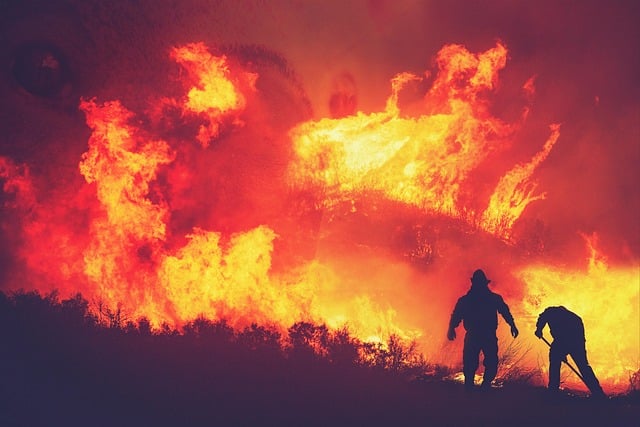
A new study suggests that toxic chromium-6 nanoparticles released during the 2025 Los Angeles wildfires may have traveled up to nine miles beyond the burn zones, potentially exposing 3.3 million people.
Researchers found the carcinogenic particles remained airborne for months after the fires were extinguished, raising concerns about ongoing health risks during cleanup operations. While measured levels were below workplace exposure limits, the findings reinforce the importance of dust control, air monitoring and respiratory protection during post-fire recovery.
|
|
|
|
| Air Pollution May Be Harming More Than Your Lungs |
|
|
|
|
New research suggests that air pollution may have a greater impact on health than previously thought, with ultrafine particles linked to learning difficulties in children and an increased risk of dementia and neurodegenerative diseases in adults.
Because these particles are small enough to enter the bloodstream and reach the brain, researchers say exposure may contribute to inflammation and long-term neurological damage. For construction workers and others regularly exposed to dust, smoke or wildfire emissions, the findings reinforce the importance of respiratory protection, air quality monitoring and effective exposure controls.
|
|
|
|
|
|
|
NYS Asbestos Handler Initial Courses
Become a certified asbestos handler with our 4-day Initial Course, running July 20–23, and meet NYS, NYC and OSHA training requirements.
|
|
|
|
|
|
| Study Finds Air Pollution Source Matters as Much as Exposure |
|
|
|
|
A new clinical study suggests that not all air pollution affects the body in the same way, even when particle levels are identical. Researchers found that just one hour of exposure to different pollution sources, including diesel exhaust, wood smoke and cooking emissions, produced distinct effects on lung function and cognitive performance.
The findings challenge the assumption that all particulate pollution carries the same health risk and suggest that the chemical composition of pollutants may be just as important as the amount in the air.
|
|
|
|
| Cleaning Plays a Bigger Role in Indoor Air Quality Than You Think |
|
|
|
|
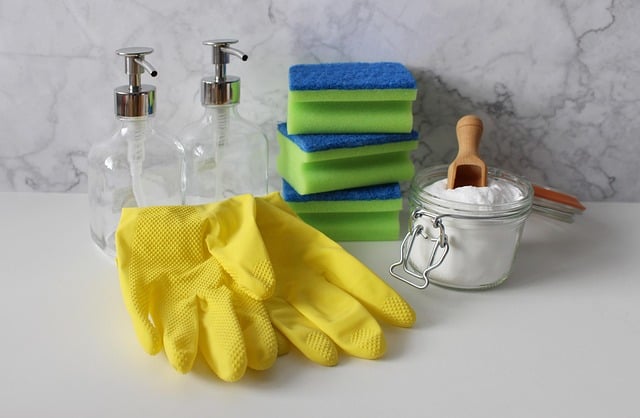
Indoor air can be significantly more polluted than outdoor air, making effective cleaning an important part of a healthy building. Dust, allergens and other contaminants can accumulate on surfaces before becoming airborne again through everyday activities. Practices such as using HEPA-filter vacuums, microfiber cloths, low-VOC
|
|
|
|
|
|
|
cleaning products and proper moisture control can reduce airborne pollutants.
As building standards continue to evolve, integrating cleaning into indoor air quality strategies can help create healthier, safer environments for occupants.
|
|
|
|
| 🎙️ Tune In to After the Refresher!🎙️ |
|
|
|
|
Join Angelo Garcia III of Future Environment Designs as he takes you beyond the classroom to unpack the latest in asbestos, mold, indoor air quality, and OSHA compliance. From New York project phases and EPA bans to the ARBAN bill and new contamination guidance, this podcast keeps you ahead of the curve on regulations, safety, and industry trends.
Listen to our latest episode: After the Refresher Episode 8 – Dival Safety Summit at Niagara Falls, NY
🔥 Stay informed. Stay compliant. Stay refreshed.
👉 Subscribe now to After the Refresher on YouTube and never miss an episode!
|
|
|
|
|
|
|
|
Use SafetySuzy10FEDTC at checkout to get 10% off of any of our health and safety courses. Don’t forget that our loyal customers get 15% off, so please get in touch if you’d like to find out more.
|
|
|
|
|
|
|
| Important Links |
|
|
Upcoming FEDTC Courses (virtual, in-person, online).
FED Creates Asbestos Air Sampling Tables That Can be Used In the Field or the Office
Order Here!
ELEVATE YOUR SAFETY PROGRAMS with SiteDocs and Future Environment Designs. Contact SiteDocs here.
“Do As I Say, Not As I Did! What I’ve Learned After 30-Years of Being in Business” – book by Angelo Garcia III
Order Here!
FEDTC Training Library:
Click Here to access our Library.
Additional Resources
FEDTC’s Recent Blog Post:
Recent Discussion:
Construction is a very dangerous industry, but compare it with the current risk rate for #asbestos abatement workers: 125 cancer cases per 100,000 workers at the current exposure limit of 0.1 fibers per cubic centimeter. That makes the #asbestosabatement industry the most dangerous industry!
Join the conversation and become a member of a thriving group of health and safety professionals.
|
|
|
|
|
|
|
|
EPA Lead RRP Courses:
OSHA Courses (Online & In-person):
- AHERA/OSHA Asbestos Awareness
- OSHA/NYSDOL 4-hr Apprentice Asbestos Awareness (NEW) – Online
- OSHA Respirator User
- OSHA Crystalline Silica Standard for Workers
- OSHA Hazard Communication
- OSHA Hazard Communication plus NYS Right-to-Know
- Covid-19 Awareness Course
- Respirator Hierarchy
- Lead in Construction Awareness Course
- Mold in Construction Awareness Course
- Blood-borne Pathogen 4-Hour Course
- OSHA Lead in Construction Awareness Course – Online
- OSHA 10 or 30-Hour Construction Safety and Health Course
- OSHA 10 or 30-Hour General Industry Safety and Health Course
Mold Courses:
- Keeping Your Family Safe Mold Awareness – Online
- Mold in Construction Awareness Course – Online
- Mold Assessor Initial Course
- Aug 3-6, 8:30 AM – 5:45 PM, FEDTC’s Syosset
- Mold Remediation/Supervisor Initial Course
- Aug 3-5, 8:30 AM – 5:45 PM, FEDTC’s Syosset
- Mold Worker Initial Course
- Aug 3-4, 8:30 AM – 5:45 PM, FEDTC’s Syosset
- NYS Mold Refresher
- Jul 16, 8:30 AM – 12:30 PM, FEDTC’s Syosset
- Aug 20, 8:30 AM – 12:30 PM, Virtual
Asbestos Courses:
- AHERA/OSHA Asbestos Awareness Course – Online
- OSHA/NYSDOL 4-hr Apprentice Asbestos Awareness (NEW) – Online
- NYCDEP Handler/Supervisor Exam Prep – Online
- NYCDEP Investigator Exam Prep – Online
- AHERA LEA’s Designated Person Training – Online
- Asbestos Bulk Sampling Course – Online
- NYS Asbestos Inspector Initial
- Aug 24-26, 8:30 AM – 4:30 PM, FEDTC’s Syosset
- NYS Asbestos Management Planner Initial
- NYS Asbestos O&M Initial
- NYS/NYC Asbestos Supervisor Refresher
- Jul 27, 8:30 AM – 4:30 PM, FEDTC’s Syosset
- Aug 12, 7:30 AM – 3:30 PM, Northport Power Plant
- NYS Asbestos Project Designer Initial
- Aug 31-Sep 1-2, 8:30 AM – 4:30 PM, FEDTC’s Syosset
- NYS Asbestos Project Designer Refresher
- Jul 13, 8:30 AM – 4:30 PM, Virtual
- Aug 17, 8:30 AM – 4:30 PM, FEDTC’s Syosset
- NYS/NYC Asbestos Inspector Refresher
- Jul 24, 8:30 AM – 12:30 PM, FEDTC’s Syosset
- Aug 18, 8:30 AM – 12:30 PM, Virtual
- NYS Asbestos Project Monitor Refresher
- Jul 15, Aug 19, 8:30 AM – 4:30 PM, Virtual
- Aug 7, 8:30 AM – 4:30 PM, FEDTC’s Syosset
- NYS Asbestos Project Sampling Technician Refresher
- Jul 15, Aug 19, 8:30 AM – 12:30 PM, Virtual
- Aug 7, 8:30 AM – 12:30 PM, FEDTC’s Syosset
- NYS Asbestos Operations & Maintenance (O&M) Refresher
- Jul 8, 7:00 – 11:00 AM, PSEG Long Island
- NYS Asbestos Management Planner Refresher
- Jul 14, Aug 18, 1:00 PM – 5:00 PM, Virtual
For the most current schedule and additional courses, please visit Future Environment Designs’ website. Please click on the individual courses’ link to discover more dates!
|
|
|
|
|
Don’t Forget Our Referral Program!
If you refer asbestos, indoor air quality, or OSHA training to us we will provide you with a 5% discount on any training you book with us. This would be in addition to any other discounts we provide.
Thank you to those who have taken advantage of this!
|
|
|
|
|