Update of Dust and Debris Sampling in New York State: What Asbestos Inspectors Need to Know
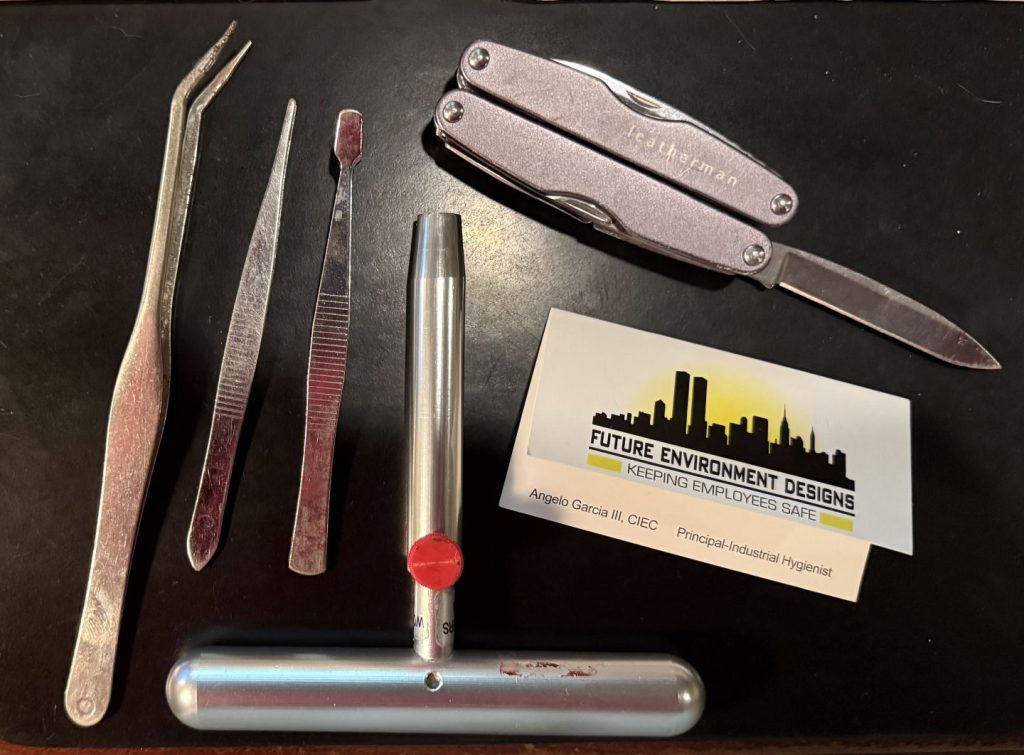
On July 16, 2016, we blogged about “Asbestos Dust Sampling in New York State,” since that post had over 1,550 views and will be ten years old this year. We thought we should update the post. In addition, we were honored to be asked by Dr. Martin Rutstein to join him and Mr. Marc Rutstein in presenting at the 2026 Professional Abatement Contractors of New York (PACNY) 29th Annual Environmental Conference. Our presentation is titled “Asbestos in Settled Dust – Is it a Valid Method in a Consultant’s Toolbox?” We look forward to seeing you at the conference and discussing this issue. This issue is typically discussed in our asbestos inspector and designer classes, so many of you already know some of the issues. These discussions are necessary because this is an area where misunderstandings, improper sampling, and incorrect laboratory analysis can lead to serious regulatory, financial, and legal consequences for building owners, contractors, and consultants alike (Dr. Martin Rutstein & Marc Rutstein will be discussing recent case histories). Under New York State Department of Labor (NYSDOL) Industrial Code Rule 56, dust and debris are specifically identified as suspect miscellaneous asbestos-containing materials (ACM). This means that any debris or dust that is visually assessed by an asbestos inspector must be treated and handled as ACM and assumed to be asbestos-containing until bulk sampling and analysis demonstrate otherwise. The inevitable question that follows is a practical one: How do you collect bulk samples of debris and dust? Scrape Sampling and NYSDOH ELAP Method 198.1 The most straightforward method is to physically collect the debris or dust by scraping it into an asbestos sample bag using a knife, scraper, or business card. This collected material can then be submitted for analysis using the New York State Department of Health (NYSDOH) Environmental Laboratory